

Start with the specification
Before comparing research peptide suppliers, write down the material identity, required quantity, format and documentation your laboratory needs. A general product category or short trade name is not a complete specification. If the material is a blend, review the actual constituents and quantities rather than relying on the blend name.
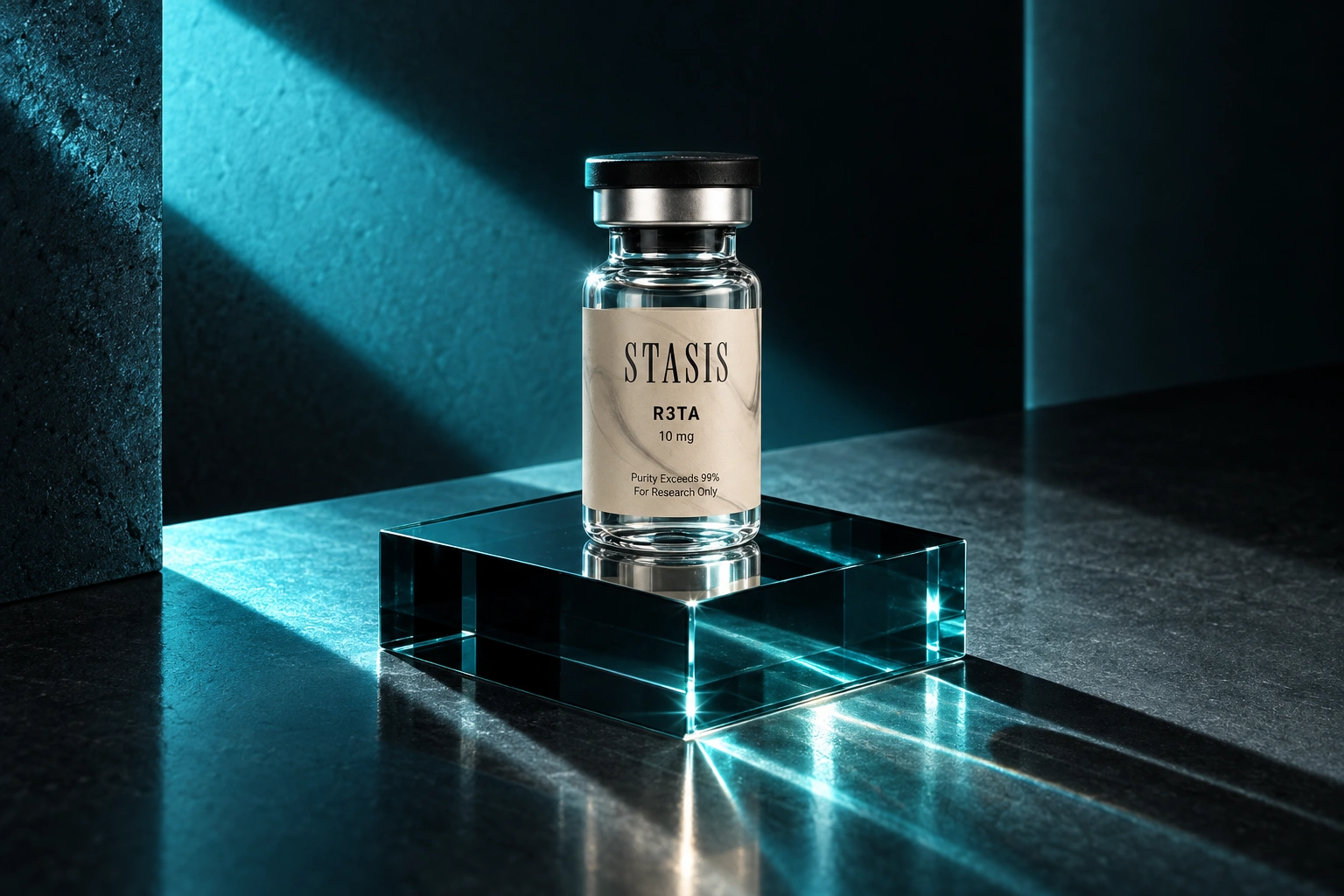
A practical supplier checklist
0 of 5 reviewed
- 01Confirm the material
Compare the product description and label with your laboratory's purchasing specification.
- 02Match the batch
Ask how the vial or container is linked to the lot referenced in the documentation.
- 03Review the records
Check which analytical results are available, what sample was tested, and whether the report applies to the material offered.
- 04Read the terms
Review delivery destinations, handling information, returns and a working route for support.
- 05Resolve gaps
Request missing information before purchasing instead of filling in the blanks from marketing claims.
Compare evidence, not slogans
A purity percentage, a laboratory logo or the phrase 'research grade' should prompt questions, not end them. Identify what the statement describes and which record supports it. Documentation should help you make an informed laboratory decision; it is not a promise of a research outcome.

Questions for Stasis
Need help locating a specification or batch record? Send the product reference, lot number if known, and the document you need. Review the response alongside your laboratory's requirements before ordering.

01What makes a research peptide supplier a good fit?
Clear specifications, relevant documentation and terms that meet your laboratory's needs are useful starting points. No single marketing claim answers every question.
02Should I compare price alone?
No. Compare the material, quantity, format and supporting records on the same basis.
03Does research use only mean suitable for personal use?
No. Research materials are not intended for human or veterinary use.